ProPharma’s team of dedicated experts is at the forefront of both existing and emerging industry trends. ProPharma’s team inspires tomorrow by leveraging rich data insights across our service lines and functional areas to develop innovative solutions that answer the most complex needs of both existing and prospective clients.
Marketing Authorization in Eastern Europe: Navigating Regulatory Complexity and Market Opportunities
Navigating Market Access in Eastern Europe
The role of the Marketing Authorization Holder (MAH) is central to bringing pharmaceutical products to patients in the European Union and associated markets. The countries of Eastern Europe present a diverse and evolving landscape for pharmaceutical...
What challenges are we seeing as life sciences organizations expand AI adoption? Artificial intelligence (AI) is increasingly embedded in compliance areas like medical information, pharmacovigilance,...
Digital Transformation First: Why AI Investment Depends on Strategy, Data, and Operational Readiness
Our recent LinkedIn poll asked a simple question: What is the first step in a digital transformation journey? The response was decisive. Seventy percent of respondents identified strategy definition...
Is Your Clinical Trial at Risk: When to Consider a Rescue Strategy
Clinical trials rarely unravel because of one isolated event. Many continue to progress with underlying issues that gradually impact timelines, data quality, and overall study confidence. A missed...
Top 7 QMSR Readiness Gaps Medical Device Manufacturers Should Assess Before an FDA Inspection
FDA's New Quality Management System Regulation Raises the Bar for Inspection Readiness FDA's Quality Management System Regulation (QMSR), which became effective on February 2, 2026, represents one of...
Efficiency and Compliance: Mastering Legal Case Processing in Pharmacovigilance
In the complex landscape of modern pharmacovigilance (PV), the intersection of patient safety and legal litigation poses unique challenges for Marketing Authorization Holders (MAHs). While...
EMA PRIME Eligibility: Accelerating Access to the European Union Market
Developing innovative medicines requires more than scientific excellence. It also requires a regulatory strategy that supports efficient development, aligns with evolving regulatory expectations, and...
From Feasibility to First Patient In: Streamlining Study Start‑Up with Confidence
Clinical trial timelines are rarely lost during study conduct but are lost long before the first patient is screened. Delays in study startup often begin at country selection and feasibility where...
QMSR Explained: Key Changes from FDA QSR to the New Quality Management System Regulation
The FDA's transition from the long-standing Quality System Regulation (QSR, 21 CFR Part 820) to the new Quality Management System Regulation (QMSR) represents one of the most significant regulatory...
Building Relationships with Sites: The Hidden Driver of Faster Start-Ups
Humanized content about engagement strategies with sites and investigators. The Study Start Up (SSU) phase of clinical trials always feels very chaotic when you are in the “thick of it” with...
In about a week, the committee that advises the FDA on pharmacy compounding will hold a public meeting on several peptides that are popular in sports medicine and do-it-yourself physical...
First Joint Clinical Assessments (JCAs): Key Lessons for EU HTA
The First JCAs Are Revealing More Than a New Process: Early Lessons and JCA Readiness As the first Joint Clinical Assessments (JCAs) moved from planning into practice, a clearer picture is emerging...
Turning Regulatory Complexity into Predictable Study Start-Up Execution
Regulatory complexity is unavoidable in global clinical development. The differentiator is not whether organizations face complexity, it is how effectively they operationalize it. Across Europe,...
Regulatory Readiness as a Strategic Advantage in European Study Start-Up
For years, regulatory readiness was often viewed primarily as a compliance function, an operational necessity required to move clinical studies forward. Today, that perspective is no longer...
Successful Tech Transfers Require Both Strong Regulatory Strategy and Execution
Tech transfers are often treated as operational projects. In reality, the success, and especially the speed, are determined much earlier: by the clarity of your data requirements and gaps, your CMC...
Responsible AI in Medical Information: Safety, Ownership, Oversight
The medical information contact center serves as a critical communication link among clinical studies, healthcare professionals, patients, and caregivers to support clinical or treatment decisions....
Compiling and submitting a New Drug Application (NDA) submission is a complicated and intensive activity. Once you have submitted your application to FDA, you may be curious about what can you expect...
Safety Data Exchange Agreements (SDEAs) and Pharmacovigilance Agreements (PVAs) – An Overview
A Safety Data Exchange Agreement (SDEA) or Pharmacovigilance Agreement (PVA) is a legal written contract which ensures that all safety data, PV tasks and responsibilities are detailed between two or...
The FDA’s homepage contains an item in the Public Health Focus section from the Office of Communications entitled “Don’t Use Expired Medicine.” Given this mandate, I recall from many years ago the...
An Overview of the PSMF: Pharmacovigilance System Master File
What is a PSMF? The EU Pharmacovigilance System Master File (PSMF) is a legally required document created and maintained by a Marketing Authorisation Holder (MAH). Essentially, the document is a...
The Importance of the eCTD Structure for FDA Approval
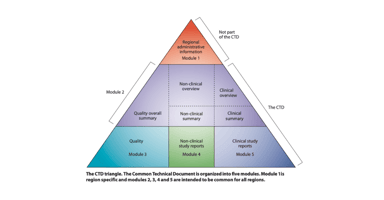
The Importance of the eCTD To harmonize the process of regulatory reviews for global drug development, a unified structure was developed and implemented for electronic Common Technical Document...
In order to incentivize the development of therapies (drugs biologics) to fill unmet medical needs for treatment of serious conditions, the FDA has developed various programs to expedite drug...